Can You Put Remote Start on a Manual Transmission Vehicle? ‒ A Comprehensive Guide (Updated 04/08/2026)
Adding remote start to a manual car presents unique hurdles, requiring specialized bypass modules to address safety concerns and prevent unintended vehicle movement.
Understanding the Challenges
The primary challenge lies in the inherent safety risks: a manual transmission vehicle, unlike an automatic, requires the clutch to be disengaged and a gear selected to start. Without these conditions met, attempting remote start could result in the car lurching forward or backward, causing damage or injury. Traditional remote start systems are designed for automatics, assuming a Park or Neutral position.
Successfully implementing remote start on a manual necessitates overcoming this fundamental difference. This involves preventing the engine from starting unless the vehicle is demonstrably safe – clutch depressed, transmission in neutral. Bypass modules address this, but careful installation and programming are crucial. The complexity and potential for error make it significantly more challenging than equipping an automatic transmission vehicle.
The Safety Concerns with Manual Transmissions and Remote Start
The most significant safety concern is unintended vehicle movement. If a remote start system activates without verifying the clutch is depressed and the transmission is in neutral, the car could unexpectedly shift into gear. This poses a severe risk of property damage, personal injury, or even fatalities.
Furthermore, a malfunctioning system could potentially bypass safety interlocks, creating a hazardous situation. Properly functioning clutch and neutral safety switches are vital, but a compromised system could ignore their signals. Thorough testing and professional installation are paramount to mitigate these risks and ensure the remote start doesn’t compromise the vehicle’s inherent safety features.
Why Traditional Remote Start Systems Don’t Work
Conventional remote start systems are designed for automatic transmissions, assuming a ‘Park’ or ‘Neutral’ safety position. They lack the necessary logic to confirm the clutch is disengaged and the gear selector is in neutral – critical prerequisites for a manual transmission.
Attempting to use a standard system on a manual car could result in the engine starting while the vehicle is in gear, leading to dangerous, uncontrolled movement. These systems simply aren’t equipped to interpret the unique operational requirements of a manual gearbox, necessitating specialized solutions like bypass modules to bridge this gap safely and effectively.

Methods for Adding Remote Start to a Manual Car
Bypass modules are the primary solution, interfacing with the vehicle’s systems to ensure the clutch is disengaged and in neutral before starting.
Bypass Modules: The Most Common Solution
Bypass modules represent the most prevalent and practical method for enabling remote start functionality in vehicles equipped with manual transmissions. These sophisticated devices act as an intermediary, cleverly intercepting and modifying the signals sent between the vehicle’s factory security system and the remote start system.
Crucially, they verify the vehicle is in neutral with the clutch disengaged before authorizing the engine to start, preventing dangerous situations. They achieve this by monitoring the clutch and neutral safety switches. Without a bypass module, a standard remote start system would incorrectly interpret signals, potentially leading to unintended vehicle operation.
Different modules offer varying levels of integration and features, impacting compatibility and installation complexity.
The Role of Clutch Switches and Neutral Safety Switches
Clutch and neutral safety switches are paramount to safely implementing remote start in a manual transmission vehicle. The neutral safety switch confirms the transmission is in neutral, preventing starting in gear. Simultaneously, the clutch switch verifies the clutch pedal is fully depressed, adding a crucial second layer of security.
Bypass modules rely heavily on these switches; they monitor their status to ensure the vehicle cannot start unless both conditions are met; This prevents accidental engagement and potential runaway scenarios.
Proper functionality of these switches is vital; a faulty switch can disable remote start or, worse, create a dangerous situation.
Programming and Installation Considerations for Bypass Modules
Successful bypass module integration demands meticulous programming tailored to your specific vehicle’s make, model, and year. This often involves configuring the module to recognize the signals from the clutch and neutral safety switches correctly.
Installation requires careful wiring, connecting the module to the vehicle’s ignition, starter, and relevant safety circuits. Incorrect wiring can lead to system malfunction or damage.
Firmware updates are crucial; manufacturers frequently release updates to improve compatibility and address bugs. Professional installation is highly recommended for complex systems.
Specific Bypass Module Options
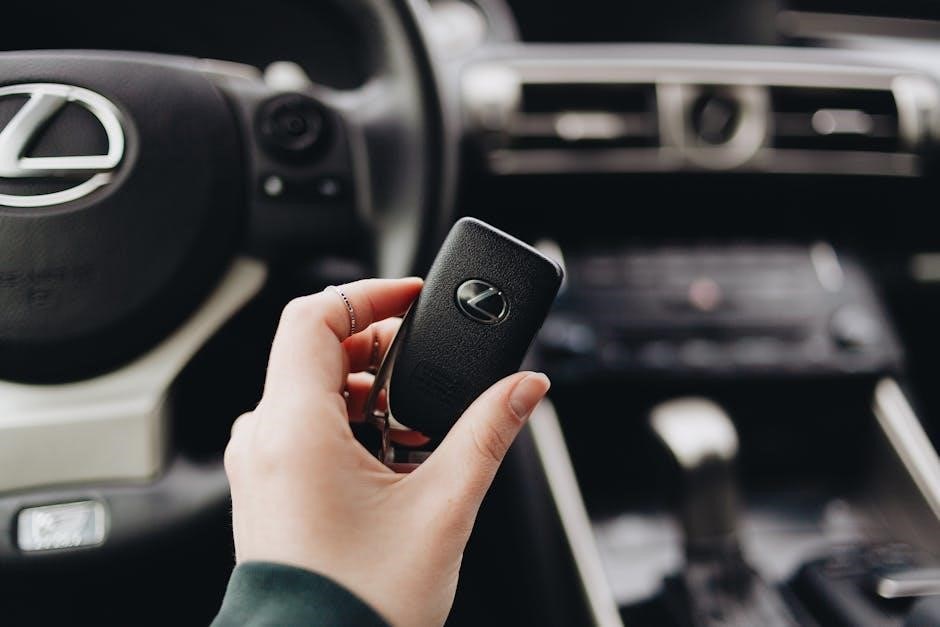
Fortin, iDataLink, and Compustar offer popular bypass modules with varying features, compatibility lists, and price points for manual transmission vehicles.
Fortin Evo-One: Features and Compatibility
The Fortin Evo-One stands out as a highly versatile bypass module, renowned for its extensive vehicle compatibility and advanced features. It supports a broad spectrum of vehicles, including those with manual transmissions, offering a streamlined installation process through its intuitive programming interface.
Key features include data-port connectivity, eliminating the need for traditional wiring splices in many applications, and seamless integration with factory security systems. The Evo-One also boasts smartphone control capabilities when paired with a compatible remote start system.
Compatibility is regularly updated via firmware updates, ensuring support for newer vehicle models. However, verifying compatibility with your specific vehicle’s year, make, and model is crucial before purchase, utilizing Fortin’s online vehicle database.
iDatalink Maestro: Integration with Vehicle Systems
The iDatalink Maestro RR (Remote Responder) excels in deep vehicle integration, going beyond basic remote start functionality. It connects directly to the vehicle’s CAN-bus system, unlocking access to a wealth of data and control options. This allows for features like displaying vehicle information (temperature, battery voltage) on the remote start system’s app.
For manual transmission vehicles, the Maestro RR requires a bypass module to ensure safe operation. Its compatibility database is extensive, and it often supports advanced features like factory amplifier retention and steering wheel control integration.
Programming is typically done through the iDatalink app, simplifying the process and providing access to the latest vehicle data.
Compustar: Budget-Friendly Options
Compustar offers a range of remote start systems catering to various budgets, making them a popular choice for manual transmission vehicles. While not always offering the deepest vehicle integration like iDatalink Maestro, they provide reliable remote start functionality when paired with a compatible bypass module.
Their systems typically feature one- or two-way communication, providing confirmation that the vehicle has started. Compustar’s affordability makes them attractive for those seeking a basic, functional remote start solution without extensive features.
Installation can be straightforward, and they often include essential wiring harnesses.
Installation Process – A General Overview
Professional installation is recommended, involving wiring a bypass module, connecting harnesses, and programming it to recognize your vehicle’s unique security systems.
Professional Installation vs. DIY
Deciding between professional installation and a DIY approach for a manual transmission remote start system is crucial. Professionals possess the expertise to navigate complex wiring, bypass module programming, and vehicle-specific integrations, minimizing risks of damage or malfunction.
DIY installation, while potentially cost-effective, demands significant technical skill, detailed wiring diagrams, and a thorough understanding of automotive electrical systems. Incorrect wiring can disable vital safety features or even damage the vehicle’s computer.
Considering the potential for costly errors and the safety implications, professional installation is generally recommended, especially for those unfamiliar with automotive electronics.
Wiring and Harness Connections
Successful remote start installation hinges on precise wiring and harness connections. Bypass modules require integration with several vehicle systems, including the ignition, starter, fuel pump, and crucial safety circuits like the clutch and neutral safety switches.
Properly identifying and connecting these wires is paramount; incorrect connections can lead to system failure or, worse, vehicle damage. Utilizing a vehicle-specific wiring diagram is essential, and soldering connections are preferred over simple wire taps for reliability.
Careful attention to grounding and insulation is also vital to prevent short circuits and ensure optimal system performance.
Programming the Bypass Module to Your Vehicle
Once physically installed, the bypass module requires precise programming to recognize your vehicle’s specific make, model, and year. This process typically involves connecting the module to a computer via USB and utilizing the manufacturer’s software.
Programming configures the module to correctly interpret signals from the vehicle’s CAN bus, enabling seamless communication and functionality. Crucially, the module must be programmed to recognize the status of the clutch and neutral safety switches, preventing starting in gear.
Following the manufacturer’s instructions meticulously is vital for a successful outcome.

Cost Breakdown
Expect to spend $150-$400 on the bypass module itself, with professional installation adding $100-$300, plus potential costs for wiring or relays.
Bypass Module Costs
The price of a bypass module varies significantly based on brand, features, and vehicle compatibility. Basic modules, suitable for simpler installations, typically range from $150 to $250. More advanced modules, like those from Fortin or iDataLink, offering broader vehicle support and integration capabilities, can cost between $250 and $400 or even higher.
Consider that some modules require additional accessories, such as transponder bypasses or antenna kits, adding to the overall expense. Online retailers and local car audio shops offer competitive pricing, so comparing quotes is crucial. Remember to factor in potential shipping costs when purchasing online. Ultimately, selecting a module that precisely matches your vehicle’s specifications is paramount, even if it means investing a bit more upfront.
Installation Labor Costs
Professional installation of a remote start bypass module for a manual transmission vehicle generally ranges from $150 to $500, depending on the complexity of the vehicle’s electrical system and the installer’s labor rates. Vehicles with complex wiring harnesses or requiring extensive customization will naturally incur higher labor costs.
Expect to pay more at dealerships compared to specialized car audio shops. Obtaining quotes from multiple installers is highly recommended. DIY installation is possible for experienced individuals, but improper wiring can lead to vehicle damage or safety hazards. Factor in the cost of necessary tools if attempting a self-install.
Potential Additional Costs (e.g., wiring, relays)
Beyond the bypass module and labor, anticipate supplementary expenses. High-quality wiring, essential for a reliable installation, can range from $20 to $80, depending on the vehicle’s needs and wire gauge. Relays, often required for specific vehicle systems, typically cost between $10 and $30 each.
Vehicle-specific wiring harnesses, simplifying the installation process, can add $30 to $100 to the total cost. Diagnostic tools for programming the module might necessitate a temporary purchase or rental fee. Finally, unforeseen issues discovered during installation, like corroded connections, could lead to additional repair costs;
Compatibility Considerations
Vehicle year, make, and model significantly impact remote start compatibility; aftermarket alarms may interfere, and conflicts with existing systems are possible.
Vehicle Year, Make, and Model Specifics
Compatibility isn’t universal; older vehicles often require more extensive wiring and potentially different bypass module solutions compared to newer models. Specific makes, like certain Japanese imports, may present unique challenges due to factory security systems. Thoroughly researching your vehicle’s specific year, make, and model is crucial before purchasing any remote start system.
Database access provided by module manufacturers (Fortin, iDataLink, Compustar) is essential for verifying compatibility. These databases detail known issues and supported features for various vehicles. Some vehicles may require additional components, such as a transponder bypass, to function correctly with a remote start system. Always confirm compatibility using the vehicle’s VIN for accurate results.
Aftermarket Alarm System Integration
Integrating a remote start with an existing aftermarket alarm system adds complexity, demanding careful consideration of signal conflicts and feature overlap. Many modern bypass modules offer integration capabilities, allowing the remote start to arm/disarm the alarm or utilize the alarm’s sensors for enhanced security.
However, compatibility isn’t guaranteed; some alarm systems may interfere with the remote start’s operation or vice versa. Professional installation is highly recommended to ensure seamless integration and avoid triggering false alarms or disabling essential security features. Verify that the bypass module supports your specific alarm system model before proceeding with installation.
Potential Conflicts with Other Vehicle Systems
Introducing a remote start system can sometimes disrupt other vehicle electronics, necessitating careful evaluation and potential troubleshooting. Conflicts may arise with the vehicle’s immobilizer, anti-theft systems, or even the infotainment system, leading to unexpected behavior or malfunctions.
Properly programming the bypass module is crucial to avoid these issues, ensuring it communicates correctly with the vehicle’s onboard computer. Professional installers possess the diagnostic tools and expertise to identify and resolve potential conflicts, safeguarding the integrity of your vehicle’s existing systems. Thorough testing post-installation is essential.

Legal and Insurance Implications
Remote start legality varies by location; check local laws before installation. Inform your insurer, as modifications can affect coverage and potentially increase premiums.
Local Laws Regarding Remote Start Systems
Navigating the legal landscape of remote start systems requires diligent research, as regulations differ significantly by state, province, and even municipality. Some jurisdictions may have restrictions on unattended vehicle operation, potentially impacting the legality of remote start, especially on manual transmissions due to safety concerns. It’s crucial to verify if your area requires specific permits or certifications for installation.
Furthermore, certain locales might prohibit remote start systems if they circumvent factory safety features. Always consult your local Department of Motor Vehicles or equivalent authority to ensure full compliance. Ignoring these regulations could lead to fines or even the inability to legally operate the vehicle. Prioritizing legal adherence safeguards against potential issues and ensures responsible modification practices.
Insurance Coverage and Potential Rate Changes
Modifying a vehicle with a remote start system, particularly on a manual transmission, can impact your insurance coverage and premiums. Insurance providers may view aftermarket installations as increasing the risk of theft or accidents, potentially leading to higher rates. It’s essential to inform your insurance company about the modification to avoid claim denials.
Some insurers may require proof of professional installation and adherence to safety standards. Failure to disclose the remote start system could void your policy in the event of a claim. Obtain a quote beforehand to understand potential rate adjustments and ensure continued comprehensive coverage. Proactive communication with your insurer is vital for a smooth experience.
Troubleshooting Common Issues
Common problems include installation errors, security system conflicts, and module programming failures; careful diagnostics and professional assistance are often required for resolution.
Remote Start Not Working After Installation
If your newly installed remote start system fails to operate, begin by verifying the basic connections and ensuring the bypass module is securely fastened and properly wired. Check the vehicle’s battery voltage, as insufficient power can prevent activation. Confirm the clutch switch and neutral safety switch are functioning correctly, as these are critical for manual transmissions.
Review the programming instructions for the bypass module, ensuring it’s correctly configured for your specific vehicle’s year, make, and model. A common issue is incorrect module programming, leading to communication failures. Inspect any added fuses and relays, replacing any that are blown. If the problem persists, consult the module manufacturer’s documentation or seek assistance from a qualified professional installer.
Security System Interference
Integrating a remote start system with an existing vehicle security system can sometimes cause conflicts, preventing either system from functioning correctly. This often manifests as the remote start failing to activate, or the security system triggering false alarms. Ensure the bypass module is compatible with your specific security system and that proper integration procedures are followed during installation.
Carefully review the wiring diagrams for both systems, avoiding any connections that could cause interference. Some security systems require specific bypass module settings to disable alarm triggers during remote start activation. If issues arise, consult the documentation for both systems or seek assistance from a professional installer experienced in security system integration.
Module Programming Errors
Incorrect programming of the bypass module is a common cause of remote start malfunctions. These modules require precise configuration to recognize your vehicle’s specific parameters, including transmission type and security system. Errors during the programming process can lead to the system failing to start, or exhibiting unpredictable behavior.
Always follow the manufacturer’s programming instructions meticulously, utilizing the correct programming procedure for your vehicle’s year, make, and model. Double-check all settings after programming to ensure accuracy. If problems persist, attempt a factory reset of the module and repeat the programming process. Professional assistance may be needed for complex or persistent programming issues.
Alternatives to Traditional Remote Start
Smartphone control systems and key fob integration offer convenient alternatives, bypassing manual transmission complexities and providing remote vehicle access features.
Smartphone Control Systems
Smartphone-based remote start systems represent a compelling alternative, particularly for manual transmission vehicles where traditional kits pose challenges. These systems typically utilize a telematics module installed in the car, communicating with a mobile app via cellular or Bluetooth connection.
Unlike conventional remote start, smartphone apps often incorporate geofencing, allowing operation only within a defined radius, enhancing security. Advanced features include vehicle location tracking, door lock/unlock control, and even diagnostics. While requiring a subscription fee for cellular connectivity, they circumvent the need for complex bypass module installations.
Compatibility varies by vehicle, so verifying support for your specific make and model is crucial. These systems offer a user-friendly experience and expanded functionality beyond basic remote start capabilities.
Key Fob Integration
Integrating remote start functionality with your existing key fob offers a seamless user experience, avoiding the need for a separate app or device. This typically involves a bypass module that intercepts the factory key fob signals and translates them into remote start commands.
The system often requires programming the module to recognize your specific key fob’s unlock sequence, initiating the remote start process. Some advanced modules allow for customizable start durations and even pre-heating or cooling of the vehicle.
While convenient, key fob integration may have limited range compared to smartphone systems and might not offer the same level of advanced features. Careful module selection is vital for compatibility and reliable operation.
Future Trends in Remote Start Technology
Expect enhanced security protocols, vehicle telematics integration for improved control, and potentially AI-driven features optimizing remote start based on driving habits.
Advanced Security Features
Future remote start systems will prioritize robust security measures, moving beyond basic encryption. Expect multi-factor authentication, potentially integrating biometric verification like fingerprint or facial recognition, to prevent unauthorized access.
Geolocation tracking will become standard, allowing owners to monitor vehicle location and disable remote start if stolen. Sophisticated algorithms will detect and respond to potential hacking attempts, safeguarding against vehicle manipulation.
Integration with existing vehicle security systems, like alarms, will create a unified defense. Over-the-air updates will ensure systems remain protected against emerging threats, constantly evolving to maintain a high level of security for manual transmission vehicles equipped with remote start.
Integration with Vehicle Telematics Systems
The future of remote start lies in seamless integration with vehicle telematics. This allows for advanced control and monitoring through a centralized platform, enhancing convenience and security for manual transmission cars.
Expect features like pre-conditioning the cabin temperature remotely, checking vehicle diagnostics, and receiving maintenance alerts directly through a smartphone app. Telematics can also enable geofencing, restricting remote start operation to designated areas.
Data analytics from telematics systems will optimize remote start functionality, learning driver preferences and adjusting settings accordingly. This interconnected approach promises a more intelligent and personalized remote start experience.