Overview and History
Since the 1960s, denture shade guides have evolved from simple color swatches to sophisticated systems incorporating Munsell and ISO standards. Recent updates introduce DP, LP, RP base shades, enhancing natural gum tone matching and laboratory flexibility, reflecting growing patient diversity. for clinicians all
1.1 Definition and Purpose
In the realm of prosthetic dentistry, a denture shade guide is a curated collection of standardized color samples that serve as a reference for selecting the most appropriate hue for both denture bases and artificial teeth. Its primary purpose is to bridge the gap between the clinical aesthetic demands of a patient and the technical capabilities of a dental laboratory. By providing a consistent visual framework, the guide enables clinicians to communicate color expectations clearly, ensuring that the final prosthesis aligns with the patient’s natural oral environment. Modern guides incorporate a spectrum of shades that reflect variations in gingival tone, tooth translucency, and overall oral harmony. Recent iterations have expanded to include specialized denture base shades—DP (Dark Pink), LP (Light Pink), and RP (Reddish Pink)—to accommodate a broader range of gingival colors and improve patient satisfaction. These additions address the growing recognition of diverse patient demographics and the need for more nuanced shade matching, ultimately enhancing the realism and durability of complete dentures. The guide also serves as an educational tool, allowing dental students and technicians to practice shade selection in a controlled setting, thereby improving consistency across practitioners. Furthermore, the standardized color references support regulatory compliance by ensuring that prosthetic devices meet aesthetic and functional criteria set by dental authorities worldwide. It also aids in quality assurance during fabrication.!!
1.2 Historical Evolution
The first denture shade guides appeared in the early 20th century as simple hand‑painted swatches, offering a limited palette of browns and beiges that matched the most common gingival tones. Over the decades, the industry moved toward more systematic approaches, adopting the Munsell color system in the 1960s to provide a quantitative framework for hue, value, and chroma. By the 1980s, the American Dental Association (ADA) and the International Organization for Standardization (ISO) collaborated to develop the ISO 3950 standard, which defined a comprehensive set of 10 base shades and 12 tooth shades, each with a unique numerical code. This standardization allowed laboratories worldwide to produce consistent, reproducible results, reducing the variability that had plagued earlier, artisanal methods. The 1990s saw the introduction of digital color measurement tools, such as spectrophotometers, which enabled clinicians to capture objective color data from a patient’s oral tissues and translate it into a shade guide reference. In 2005, the first commercial “digital shade guide” was released, integrating software that matched spectrophotometer readings to the ISO 3950 palette. The 2010s brought a renewed focus on patient diversity, prompting manufacturers to expand the shade range to include lighter and more translucent tones. In 2024, the industry celebrated a landmark update: the addition of three new denture base shades—DP (Dark Pink), LP (Light Pink), and RP (Reddish Pink)—to better match diverse natural gum tones and address real patient diversity. These shades also enhance production flexibility for dental laboratories, reinforcing market resilience and enabling more accurate, patient‑centric prosthetic solutions. Today, the evolution continues with ongoing research into sustainable materials and AI‑driven shade prediction, promising an even more personalized future for denture aesthetics. Moreover, emerging technologies such as machine‑learning algorithms are beginning to predict optimal shade combinations based on patient photographs, further streamlining the workflow and reducing chairside time.
Color Systems and Standards
Modern denture shade guides rely on Munsell, ISO 3950, and ANSI Z835.1 standards, providing a numeric code for each hue, value, and chroma. These frameworks ensure consistency across labs, enabling precise shade matching and reducing clinical variability. Accurate selection.
2.1 Munsell Adaptation and ISO/ANSI Standards
The foundation of denture shade selection rests on the Munsell system, which separates hue, value, and chroma into a three‑dimensional matrix. Spectrophotometers capture a specimen’s spectral reflectance, and the data are mapped onto Munsell hues while determining value and chroma. Each shade is then assigned an ISO 3950/ANSI Z835.1 code, creating a universal lexicon that bridges laboratory fabrication and clinical practice. The ISO/ANSI framework sets strict tolerance limits—±1.5° for hue, ±2.5% for value, and ±2.0% for chroma—ensuring consistent reproduction across different production environments. Recent revisions include DP, LP, and RP base shades, calibrated against the Munsell scale to represent subtle gingival tones. Laboratories benefit from reduced custom mixing, while clinicians gain confidence that the final prosthesis will harmonize with the patient’s natural tissues; The Munsell‑ISO/ANSI synergy streamlines workflows: a clinician selects a shade, the code is entered into digital systems, and the laboratory fabricates the prosthesis with machine‑controlled color accuracy, meeting regulatory expectations and market demands. In addition, the integration of spectrophotometric data with CAD/CAM software allows for automated shade mapping, reducing human error and accelerating turnaround times. Laboratories can now pre‑set shade libraries that align with ISO/ANSI codes, ensuring that every prosthesis produced does not deviate from the exact hue, value, and chroma specifications required for optimal aesthetic outcomes. Integration enhances precision speeds delivery!!
Components of the Shade Guide
The guide contains denture base shades (DP, LP, RP) and tooth shades (A1–A3, B1–B3, etc.). Each shade is coded per ISO/ANSI, with Munsell hue, value, chroma values. Manufacturers supply swatches for lab matching and clinical selection. The guide also offers reference charts, enhancing lab precision and satisfaction.
3.1 Shade Categories: Denture Base and Tooth Shades
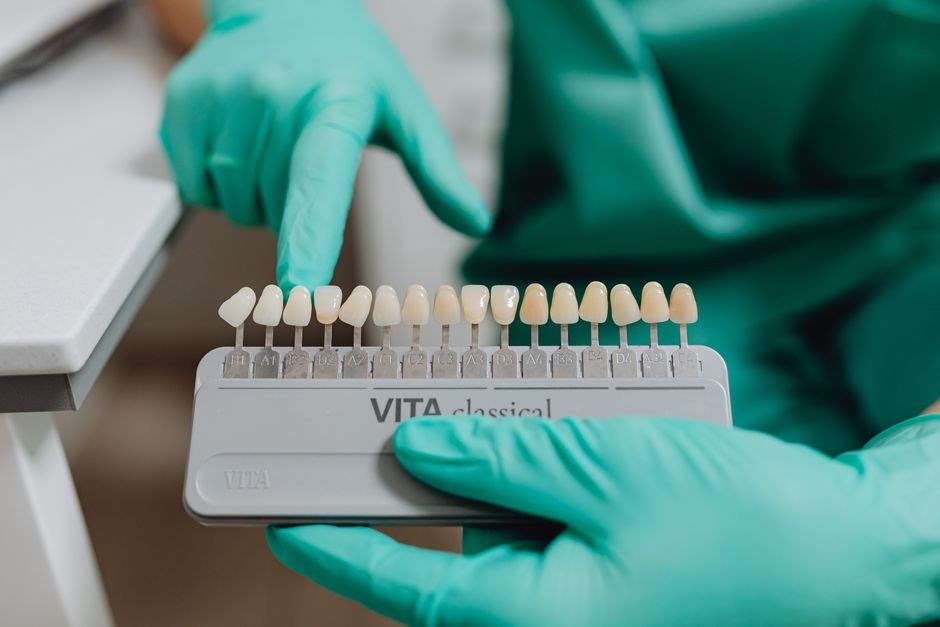
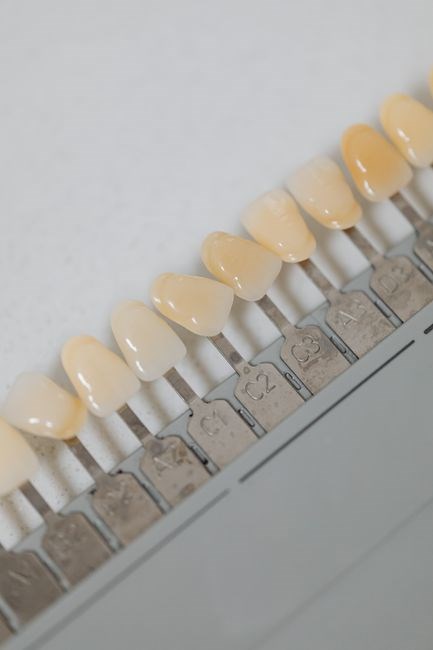
Denture shade guides organize two core categories: denture base shades and tooth shades. The base shades, now expanded to include DP (Deep Pink), LP (Light Pink), and RP (Reddish Pink), allow clinicians to match the soft tissue tone of the oral cavity more precisely. These base colors are defined by ISO/ANSI and calibrated against the Munsell system, ensuring consistency across manufacturers. Each base shade carries a numeric code and visual reference for laboratory use. Tooth shades cover enamel and dentin hues, arranged in A, B, C, and D series, each subdivided into subcategories (A1–A3, B1–B2, etc.). The A series represents lightest enamel tones, while the D series captures darkest, most opaque shades. Tooth shades are ISO/ANSI standardized and include chroma values indicating color intensity. In practice, a dentist selects a base shade matching the patient’s gingival color, then chooses a tooth shade that complements it. The combination guarantees a harmonious aesthetic. Laboratories use the same codes to fabricate prostheses, and digital shade‑matching systems translate selected codes into CAD/CAM designs. The dual‑category framework facilitates regulatory compliance, as each shade must meet specific optical properties such as translucency, lightness, and chromaticity; A shade guide reduces mismatch and improves patient satisfaction! improves satisfaction to restoration! The addition of DP, LP, and RP base shades represents a step toward addressing patient diversity, ensuring solutions are natural gingival tones.
Clinical Application and Patient Matching
Clinicians now select denture base shades DP, LP, or RP to mirror a patient’s gum tone, then pair with a tooth shade from the A–D series. The guide’s ISO/ANSI calibration ensures accurate color reproduction, improving esthetic outcomes and patient confidence. This method streamlines shade selection, saving time.
4.1 Shade Selection Workflow
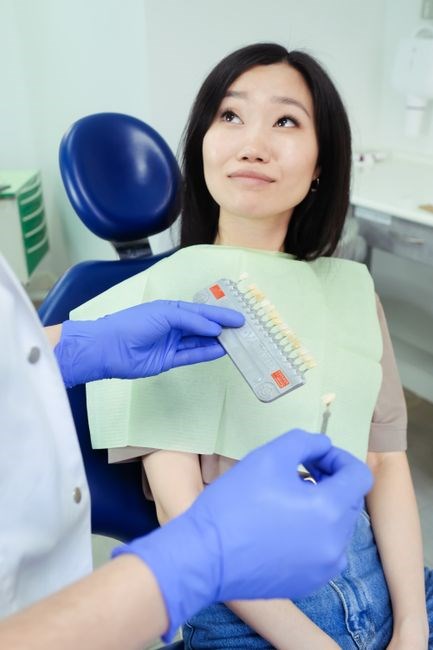
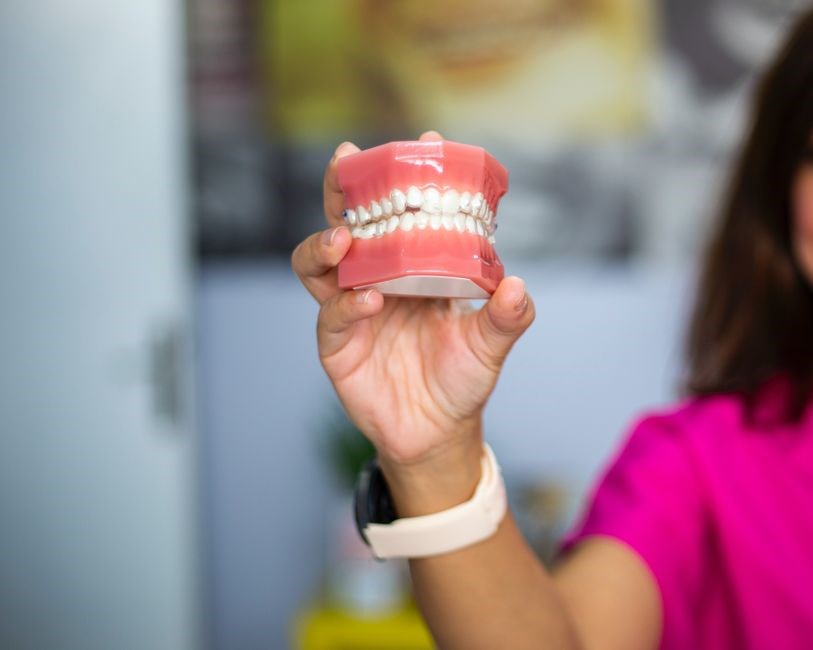
Step 1: Patient assessment. The clinician evaluates the oral environment, noting gingival biotype, mucosal translucency, and discoloration. A daylight simulator or 6500 K LED illuminates the area to minimize bias. Lips and facial features are considered to ensure harmony.
Step 2: Base shade identification. Using the updated denture base palette, the practitioner selects from DP, LP, or RP, matching the gingival tone. The selection is guided by a colorimetric chart that correlates visual assessment with spectrophotometric data, ensuring objective consistency across clinicians.
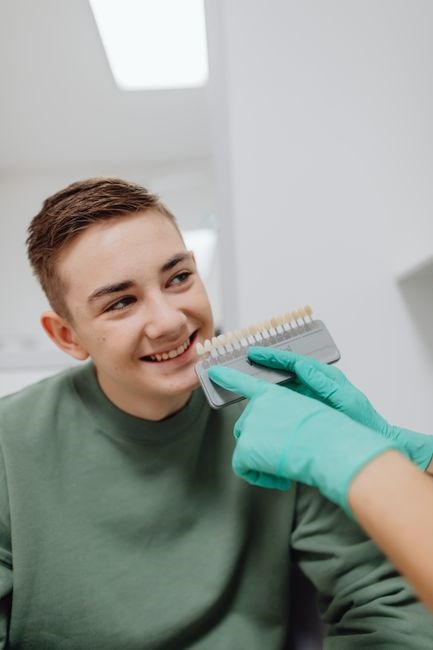
Step 3: Tooth shade determination. Once the base is chosen, the clinician selects a tooth shade from the A–D series. The choice is based on the patient’s natural dentition, translucency, and the desired esthetic outcome. The shade guide’s ISO/ANSI calibration allows the dentist to translate the selected shades into precise laboratory codes. Cross‑checking ensures a natural transition for the smile
Step 4: Digital verification. A handheld spectrophotometer or intra‑oral camera captures the selected shades, producing a digital file that can be shared with the laboratory. This step reduces human error and provides a reproducible reference for the technician.
Step 5: Laboratory communication. The digital file, along with the patient’s demographic data, is transmitted to the dental laboratory. The technician uses CAD/CAM software to fabricate the denture, ensuring the final product aligns with the recorded shades.
Step 6: Final fitting and adjustment. The completed denture is presented to the patient. Minor adjustments, such as shade blending or surface polishing, are performed to achieve seamless integration with the patient’s oral tissues. Feedback is recorded for future reference, contributing to a continuous improvement loop.
4.2 Addressing Patient Diversity
Modern denture shade guides now include three new base shades—DP, LP, and RP—that better match the full spectrum of gingival tones found in diverse patient populations. These additions are based on rigorous spectrophotometric data and align with ISO/ANSI standards, ensuring objective consistency across clinicians. The new shades provide nuanced options for deep pink, light pink, and rose pink gums, allowing practitioners to tailor prosthetic solutions to individual anatomy and cultural preferences. Digital color‑matching workflows complement the guide: clinicians capture intra‑oral images under standardized lighting, upload them to a cloud‑based platform, and receive algorithmic recommendations that map to the DP, LP, or RP categories. This technology reduces inter‑examiner variability and supports evidence‑based decision making. Compatibility with CAD/CAM systems streamlines laboratory fabrication, translating shade selections directly into milling parameters. The result is a seamless continuum from clinical assessment to final prosthesis, validated by objective color metrics. The guide’s design also promotes inclusivity, offering a spectrum that accommodates variations in skin tone, ethnicity, and gender, thereby addressing long‑standing disparities in dental aesthetics. By integrating these features, the denture shade guide elevates clinical precision and promotes equity in dental care, ensuring every patient receives a prosthesis that resonates with their unique aesthetic identity.
Clinicians also benefit from an accompanying application that provides shade validation, allowing adjustments during fittings. Laboratories can import the shade data directly into their CAD/CAM software, ensuring that the fabricated denture matches the clinician’s selection down to the millimeter. Patient education materials explain the significance of each shade, fostering informed consent and enhancing trust in the restorative process. In it.
Allsteps ensure outcomes!!
Laboratory Integration and Digital Technologies
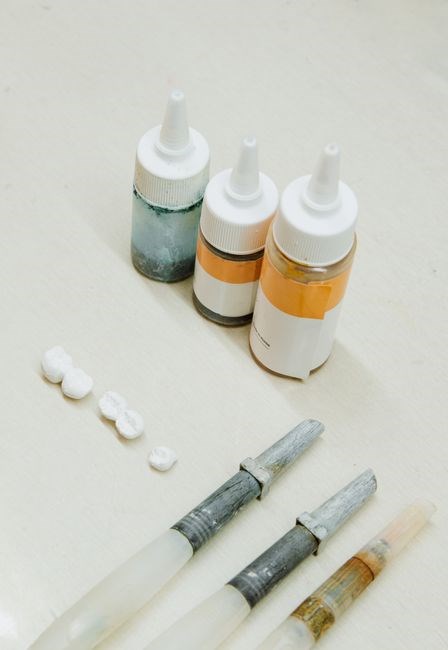
Digital workflows link shade guides to CAD/CAM, letting labs import DP, LP, RP directly into milling software. Spectrophotometric scanners capture intra‑oral hues, converting them into precise color codes that match ISO standards, ensuring a prostheses!!
5.1 Digital Integration: CAD/CAM and Shade Matching Systems
Modern denture shade guides now interface directly with computer‑aided design and manufacturing (CAD/CAM) platforms. Manufacturers embed digital color libraries that mirror the physical DP, LP, RP base shades, allowing technicians to pull exact hue values into milling software. Spectrophotometers capture intra‑oral color data, converting it into standardized color coordinates (CIE L*a*b*). These coordinates are then mapped onto the digital shade database, ensuring that the milled prosthesis reproduces the patient’s gingival tone with high fidelity. Integration with laboratory information management systems (LIMS) streamlines workflow, automatically linking shade codes to case files and reducing manual transcription errors. Cloud‑based shade repositories enable remote collaboration, letting clinicians upload scanned images and receive instant shade recommendations. The synergy between digital shade matching and CAD/CAM not only accelerates production but also enhances consistency across multiple laboratories, supporting quality control and traceability in the denture manufacturing process.
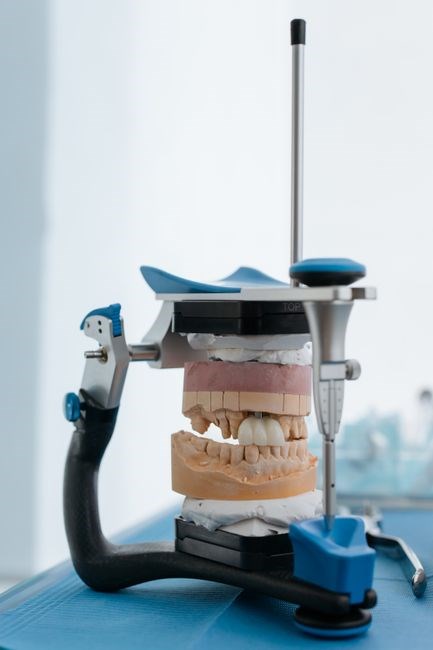
The integration of digital shade matching systems into laboratory workflows has become a cornerstone of modern prosthetic dentistry. By leveraging advanced spectrophotometry and CAD/CAM technology, technicians can achieve unprecedented accuracy in reproducing patient‑specific gingival tones; This synergy not only improves aesthetic outcomes but also streamlines production timelines, reduces material waste, and enhances overall patient satisfaction. As the industry continues to evolve, the emphasis on digital precision will likely drive further innovations in shade matching algorithms, cloud‑based collaboration tools and sustainable material options. Laboratories that adopt these technologies position themselves at the forefront of quality and efficiency, meeting the growing demands of both clinicians and patients for reliable, high‑fidelity denture solutions
Future developments promise even tighter shade fidelity Clinicians will benefit from real‑time shade adjustments during fabrication
Market Landscape and Future Directions
Key manufacturers now offer DP, LP, RP shades, expanding market reach. Trends favor digital integration, sustainability, and patient‑centric customization. Emerging eco‑friendly resins and AI‑driven shade matching promise higher accuracy and reduced waste, shaping tomorrow’s denture solutions. Innovation drives
6.1 Key Manufacturers and Market Trends
Key manufacturers such as 3M, Ivoclar Vivadent, Dentsply Sirona, and Straumann lead the denture shade guide market, each offering proprietary systems that blend Munsell theory with ISO/ANSI compliance. 3M’s VITA® series remains the benchmark for clinical consistency, while Ivoclar’s VITA® LUX system emphasizes digital integration and patient‑specific customization. Dentsply Sirona’s “Shade Guide” series focuses on high‑resolution color matching for both conventional and CAD/CAM workflows, and Straumann’s “Shade Guide” integrates seamlessly with their implant‑prosthetic solutions. Market dynamics reveal a shift toward modular, expandable shade libraries that accommodate a broader spectrum of gingival tones and tooth shades, driven by increasing patient diversity and the demand for natural aesthetics. Digital technologies, such as spectrophotometry and AI‑assisted shade selection, are reshaping the competitive landscape, enabling laboratories to achieve higher precision while reducing turnaround time. The convergence of these trends—digital workflow integration, expanded shade ranges, and eco‑friendly materials—positions the industry for continued growth, with projected compound annual growth rates exceeding 5% over the next decade. Industry analysts project the global denture shade guide market to reach USD 1.2 billion by 2030, driven by expanding dental practices, rising implant procedures and widespread adoption of CAD/CAM technology across high‑end and mid‑range laboratories, while pricing balances cost‑efficiency with high‑quality shade accuracy. Market growth.
6.2 Recent Innovations (DP, LP, RP Shades and Sustainable Materials)
Recent updates to denture shade guides highlight the introduction of three new base shades—Deep Pink, Light Pink, and Reddish Pink—designed to mirror the full spectrum of gingival hues encountered in diverse patient populations; These additions address the limitations of traditional white‑based systems that often fail to reproduce the subtle undertones of natural mucosa, especially in patients with darker skin tones or post‑surgical healing stages. By expanding the color matrix, clinicians can now select a shade that aligns more closely with the patient’s own gingival color, improving aesthetic outcomes and patient satisfaction. In parallel, manufacturers are integrating sustainable materials into shade guide production. Biodegradable polymers, plant‑based resins, and recycled PET composites reduce environmental impact while maintaining optical fidelity. Advanced nano‑coatings enhance color stability, preventing fading or discoloration over time. Digital integration is also a key focus; spectrophotometric readers paired with cloud‑based databases allow real‑time shade matching and inventory management, while AI algorithms predict optimal shade combinations based on patient demographics and clinical parameters. These innovations collectively elevate the precision, ecological footprint, and workflow efficiency of denture shade selection, positioning the market for a more inclusive and responsible future.
- DP: deep pink base for darker gingiva tones soft
- LP: light pink shade for lighter mucosa, hues
- RP: reddish pink shade for medium tones, balanced
- DP‑Lite: lighter DP variant for translucent gums
- LP‑Deep: deeper LP variant for deeper translucency
- RP‑Bright: brighter RP variant for high‑contrast patients
Clin gain!!